
Integrated Security System Malaysia for Smart Building Protection
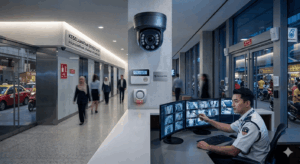
In 2026, building security in Malaysia has evolved far beyond standalone CCTV cameras or simple access card systems. As threats become more complex and buildings become smarter, organizations are adopting Integrated Security Systems to achieve complete, centralized protection. From corporate offices and industrial facilities to residential developments and government institutions, smart building protection now requires a unified and intelligent security infrastructure.
An Integrated Security System in Malaysia combines multiple security technologies into one centralized platform—delivering real-time monitoring, improved operational control, and enhanced safety. Our commitment to modern security solutions ensures that businesses are equipped with scalable, efficient, and future-ready protection systems.
What Is an Integrated Security System?
An Integrated Security System is a centralized platform that connects various security components into one unified management system. Instead of operating independently, systems such as CCTV, access control, alarms, and visitor management work together seamlessly.
Typical components of an integrated system include:
- CCTV surveillance systems
- Access control systems (card, biometric, facial recognition)
- Intrusion detection alarms
- Visitor management systems
- Turnstile or flap barrier gates
- Fire alarm integration
- Time attendance systems
All these elements are monitored and controlled through a centralized dashboard, allowing security teams to manage building protection efficiently.
Why Malaysian Buildings Need Integrated Security
Modern buildings face diverse security challenges, including:
- Unauthorized access
- Theft and vandalism
- Insider threats
- Emergency response coordination
- Compliance requirements
Standalone systems often operate in isolation, limiting visibility and response capability. Integration ensures that all security layers communicate with one another.
For example, if unauthorized access is detected, the system can automatically trigger CCTV recording, send alerts to security personnel, and lock down specific access points.
This coordinated response significantly strengthens overall building protection.
Centralized Monitoring and Real-Time Alerts
One of the primary advantages of integrated systems is centralized monitoring. Security teams can oversee all building activities from a single control room or remote location.
Benefits include:
- Live CCTV monitoring
- Instant alarm notifications
- Real-time access logs
- Automated event recording
- Occupancy tracking
Centralized management reduces response time during incidents and enhances decision-making efficiency.
In Malaysia’s rapidly growing commercial landscape, real-time situational awareness is essential for effective risk management.
Smart Access Control Integration
Access control is a critical component of any integrated security system. Modern smart buildings utilize:
- RFID smart card systems
- Biometric fingerprint scanners
- Facial recognition authentication
- QR code visitor passes
When integrated, access events automatically sync with surveillance footage, ensuring complete verification of entry and exit activities.
Administrators can assign role-based access levels, restrict entry by time schedule, and revoke credentials instantly when needed.
This strengthens both physical and digital building security.
Improved Emergency Response and Safety
Integrated security systems play a vital role in emergency management. When connected to fire alarms and evacuation systems, they can:
- Automatically unlock emergency exits
- Display real-time occupancy reports
- Trigger mass notification alerts
- Guide evacuation procedures
This coordination enhances building safety while ensuring compliance with safety regulations.
For high-occupancy buildings such as offices, factories, and educational institutions, efficient emergency response is critical.
Enhanced Data Analytics and Reporting
Modern integrated systems generate valuable security analytics, including:
- Access pattern analysis
- Peak traffic monitoring
- Incident frequency reports
- Security vulnerability insights
- Attendance integration data
With data-driven insights, management can optimize security policies, allocate resources effectively, and strengthen risk prevention strategies.
Security evolves from reactive monitoring to proactive risk management.
Scalability for Growing Developments
Malaysia’s urban expansion and smart city initiatives require scalable security infrastructure. Integrated systems are designed to grow alongside the building.
Whether adding new access points, expanding CCTV coverage, or integrating additional facilities, the centralized platform can accommodate system upgrades without major disruptions.
This scalability makes integrated security a long-term investment for smart building development.
Supporting Smart Building Technology
Integrated security systems align with broader smart building initiatives, including:
- IoT-enabled sensors
- Energy management systems
- Automated lighting control
- Building management systems (BMS)
When connected with smart infrastructure, security systems contribute to a fully automated and intelligent building environment.
For example, access authentication can trigger lighting activation or climate control adjustments in authorized zones.
This enhances both security and energy efficiency.
Strengthening Cyber and Physical Security
Modern security threats extend beyond physical intrusion. Integrated systems incorporate cybersecurity measures such as:
- Encrypted communication protocols
- Role-based administrative access
- Secure cloud or on-premise deployment
- Automated system backups
Protecting both physical and digital assets is essential in today’s interconnected environment.
By combining cybersecurity with physical security measures, integrated systems deliver comprehensive protection.
Cost Efficiency and Operational Control
Although implementing an integrated security system requires initial investment, long-term benefits include:
- Reduced reliance on manual monitoring
- Faster incident response
- Lower operational inefficiencies
- Improved compliance readiness
- Minimized risk-related losses
Automation and centralized management reduce administrative workload while increasing security effectiveness.
Why Integrated Security Systems Are Essential in 2026
As Malaysia continues advancing toward digital transformation and smart city development, building security must evolve accordingly.
Integrated Security Systems offer:
- Unified monitoring and control
- Seamless system communication
- Enhanced safety and compliance
- Real-time threat detection
- Future-ready scalability
Our approach to smart building protection focuses on combining advanced technologies into a cohesive security framework. By integrating surveillance, access control, alarm systems, and visitor management, organizations achieve complete visibility and control over their premises.
In a rapidly changing security landscape, standalone solutions are no longer sufficient. Integrated Security Systems in Malaysia provide the comprehensive protection necessary for modern smart buildings.
Investing in integrated security is not merely about installing equipment—it is about building a safer, smarter, and more resilient environment for employees, visitors, and assets.
Smart building protection begins with intelligent integration.
More details about the system can be found in this product solution. Click here: https://www.smartouch.com.my/category/security-system/
Smart Touch technology pte ltd , www.smartouch.com.sg +65-63964767, sales@smartouch.com.sg , www.smartouch.com.my +607-3889903 sales@smartouch.com.my