
Secure Entry Access Control System
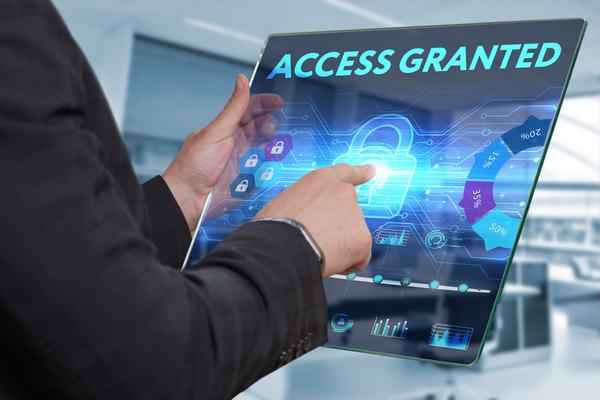
In today’s security-focused environment, protecting offices, commercial buildings, factories, and residential properties requires more than traditional locks and keys. As security threats evolve and businesses become more digitally connected, organizations must adopt smarter and more reliable solutions. A Secure Entry Access Control System provides controlled, monitored, and intelligent access management to safeguard people, assets, and sensitive information.
In 2026, businesses are prioritizing secure entry systems as a core component of their overall security strategy. Our approach emphasizes advanced authentication, real-time monitoring, and seamless integration to create a secure and efficient environment.
What Is a Secure Entry Access Control System?
A Secure Entry Access Control System is an electronic security solution that regulates who can enter specific areas within a building. Instead of mechanical keys, the system uses digital credentials and verification methods to grant or deny access.
Common authentication methods include:
- RFID smart cards
- Biometric fingerprint scanners
- Facial recognition systems
- PIN code verification
- Mobile app credentials
Each access attempt is verified and recorded, creating a complete digital audit trail.
Eliminating Traditional Security Weaknesses
Traditional lock-and-key systems present several vulnerabilities:
- Keys can be duplicated
- Lost keys require lock replacement
- No visibility of entry and exit records
- Difficult access management for large teams
Secure entry systems eliminate these risks by centralizing control. If an employee leaves or loses their access card, credentials can be revoked immediately without changing physical hardware.
This not only improves security but also reduces maintenance costs.
Role-Based and Time-Based Access Control
Modern access control systems allow administrators to assign customized permissions. Access can be defined based on:
- Employee roles
- Department assignments
- Time schedules
- Specific building zones
For example, IT staff may have 24/7 access to server rooms, while general employees may only access office areas during working hours.
This zoning strategy enhances internal security and protects sensitive areas.
Real-Time Monitoring and Instant Alerts
One of the key advantages of a secure entry system is real-time monitoring. Security teams can:
- Track live access events
- Receive alerts for unauthorized attempts
- Monitor occupancy levels
- Generate detailed reports
Digital logs provide full transparency and accountability. In case of security incidents, administrators can quickly review access records to identify potential breaches.
This proactive approach strengthens overall building protection.
Seamless Integration with Security Infrastructure
Secure entry systems can integrate with other security technologies such as:
- CCTV surveillance systems
- Flap barrier gates
- Full height turnstiles
- Alarm systems
- Visitor management platforms
When integrated, entry events can trigger automatic video recording, enhancing verification and investigation capabilities.
This layered security model provides comprehensive protection.
Enhancing Workplace Efficiency
Secure entry systems improve not only security but also operational efficiency:
- Faster entry during peak hours
- Reduced reliance on physical keys
- Simplified onboarding and offboarding
- Automated access scheduling
Employees can enter smoothly using smart credentials, while administrators manage permissions centrally through a secure platform.
This automation reduces administrative workload and eliminates manual tracking.
Supporting Multi-Site and Remote Management
For organizations operating multiple branches, secure entry systems offer centralized control across all locations.
Cloud-based platforms allow administrators to:
- Manage user access remotely
- Monitor activity across sites
- Update permissions in real time
- Generate consolidated reports
This flexibility ensures consistent security standards across the organization.
Strengthening Data Security and Compliance
Modern access control systems prioritize data security. Features often include:
- Encrypted communication
- Role-based administrative access
- Secure storage of access logs
- Automated backups
These measures protect sensitive access information and support compliance with industry regulations.
Secure digital documentation enhances audit readiness and accountability.
Scalable and Future-Ready Protection
As businesses expand, security systems must adapt. Secure entry access control systems are scalable, allowing organizations to:
- Add new access points
- Upgrade authentication technologies
- Integrate advanced biometric features
- Expand to additional facilities
This scalability ensures long-term value and continuous improvement.
Why Secure Entry Systems Are Essential in 2026
In an increasingly interconnected world, standalone locks and basic entry systems are no longer sufficient. Organizations require intelligent solutions that combine authentication, monitoring, and integration.
A Secure Entry Access Control System delivers:
- Stronger identity verification
- Real-time monitoring
- Centralized management
- Improved operational efficiency
- Scalable infrastructure
Our commitment to modern security focuses on providing reliable, efficient, and future-ready solutions. By implementing secure entry access control, businesses create safer workplaces, protect valuable assets, and enhance overall operational control.
In 2026 and beyond, secure entry systems are not optional—they are a strategic necessity for comprehensive building security.
More details about the system can be found in this product solution. Click here: https://www.smartouch.com.my/access-card-duplication/
Smart Touch technology pte ltd , www.smartouch.com.sg +65-63964767, sales@smartouch.com.sg , www.smartouch.com.my +607-3889903 sales@smartouch.com.my