
Why Investing in a Security System Saves Money
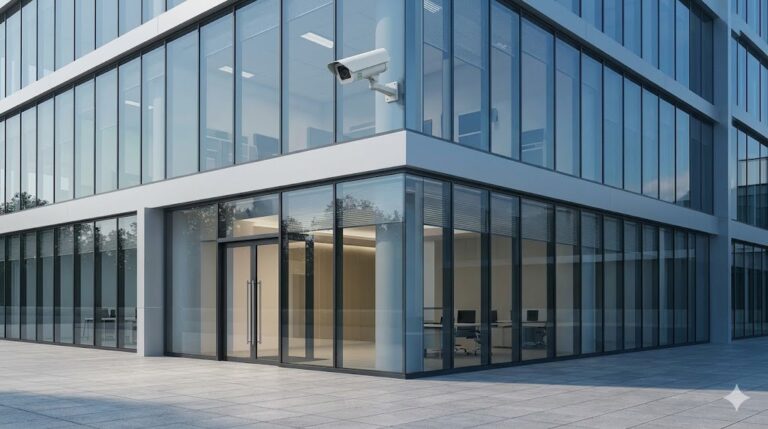
In today’s rapidly evolving business environment, security has become a fundamental priority for organizations of all sizes. From protecting employees and safeguarding physical assets to preventing unauthorized access and reducing operational risks, businesses must ensure their premises are well protected. While some organizations view security systems as an additional expense, forward-thinking companies recognize that investing in a reliable security system can actually save significant amounts of money in the long run.
Modern security systems—such as biometric access control, surveillance cameras, alarm systems, and integrated monitoring platforms—do more than simply deter intruders. They provide businesses with tools to prevent financial losses, improve operational efficiency, reduce insurance costs, and enhance overall workplace safety.
In this article, we explore why investing in a security system is not just a protective measure but also a strategic financial decision for businesses.
Understanding Modern Business Security Systems
A business security system is a combination of technologies designed to monitor, control, and protect physical environments. These systems may include several components working together to provide comprehensive protection.
Common elements of modern security systems include:
- Access control systems
- CCTV surveillance cameras
- Biometric authentication systems
- Alarm and intrusion detection systems
- Visitor management systems
- Remote monitoring software
These technologies help organizations monitor activities, restrict unauthorized access, and respond quickly to security threats.
Rather than being a simple cost, these systems serve as an investment that reduces financial risk and improves operational control.
Preventing Theft and Property Loss
One of the most obvious financial benefits of installing a security system is the prevention of theft.
Businesses without adequate security measures are more vulnerable to theft, vandalism, and unauthorized access. Valuable equipment, inventory, confidential documents, or company assets may be targeted by intruders.
Security systems help prevent these incidents in several ways:
- Surveillance cameras deter criminal activity
- Access control systems restrict unauthorized entry
- Alarm systems alert security personnel immediately
- Monitoring systems record suspicious activities
By preventing theft and property damage, businesses avoid costly financial losses.
Reducing Internal Fraud and Employee Misconduct
Security systems do not only protect businesses from external threats. They also help prevent internal issues such as employee theft, misuse of company property, or unauthorized access to restricted areas.
For example:
- Access control systems record who enters specific rooms
- Biometric authentication ensures accurate employee identification
- CCTV cameras monitor workplace activities
When employees know that security systems are in place, the likelihood of misconduct decreases significantly.
This accountability helps organizations protect their resources and maintain a professional work environment.
Lower Insurance Premiums
Many insurance providers offer lower premiums to businesses that install professional security systems.
Insurance companies consider secured premises less risky because the likelihood of theft, vandalism, or property damage is reduced.
Businesses that invest in:
- CCTV surveillance systems
- Alarm monitoring systems
- Access control systems
may qualify for insurance discounts or reduced policy costs.
Over time, these savings can offset the initial investment in security infrastructure.
Minimizing Business Disruptions
Security incidents can disrupt business operations in many ways. Theft, vandalism, or unauthorized access may cause downtime, equipment damage, or data loss.
For example:
- Stolen equipment may halt production
- Damaged facilities may require costly repairs
- Security breaches may lead to operational delays
Security systems help prevent these disruptions by detecting threats early and enabling quick responses.
Maintaining uninterrupted operations protects revenue and reduces unexpected expenses.
Protecting Valuable Business Data
Many organizations store sensitive information, including customer records, financial data, and intellectual property.
If unauthorized individuals gain access to these resources, businesses may face severe financial consequences.
Security systems help protect data by controlling physical access to:
- Server rooms
- IT infrastructure areas
- Data storage facilities
Biometric authentication systems and access control technologies ensure that only authorized personnel can access sensitive information.
This protection helps businesses avoid costly data breaches and legal liabilities.
Improving Employee Productivity and Accountability
Security systems also contribute to improved workforce management.
Access control systems and biometric attendance solutions allow organizations to track employee entry and exit times accurately.
This provides several benefits:
- Reduced time fraud or buddy punching
- Improved attendance monitoring
- More accurate payroll calculations
Employees are also more likely to follow company policies when workplace activities are monitored.
Improved accountability helps organizations maintain a productive and disciplined workforce.
Reducing Security Personnel Costs
Traditional security often relies heavily on manual guards and physical monitoring.
While security personnel remain important, modern technology can reduce the need for extensive manpower.
Advanced security systems offer features such as:
- Remote monitoring
- Automated alerts
- Motion detection
- Smart surveillance analytics
These technologies allow businesses to monitor multiple locations efficiently with fewer security staff.
Reducing manpower costs can result in substantial long-term savings.
Increasing Property Value and Business Reputation
A secure workplace not only protects assets but also enhances the organization’s reputation.
Clients, partners, and employees feel more confident when visiting a well-secured facility.
For companies operating in industries that require strict security compliance—such as finance, healthcare, or data services—advanced security systems demonstrate professionalism and responsibility.
In some cases, improved security infrastructure can also increase property value and attractiveness for potential tenants or investors.
Enhancing Emergency Response
Modern security systems also improve responses during emergencies.
Integrated alarm systems and monitoring platforms can detect:
- Fire outbreaks
- Unauthorized entry attempts
- Suspicious activities
When emergencies occur, security alerts allow management or emergency services to respond quickly.
Fast response times can prevent small incidents from becoming major financial losses.
Long-Term Cost Efficiency
Although installing a comprehensive security system requires an initial investment, the long-term benefits significantly outweigh the costs.
Businesses that implement security systems benefit from:
- Reduced theft and property loss
- Lower insurance premiums
- Improved employee accountability
- Fewer operational disruptions
- Enhanced protection of sensitive data
Over time, these advantages translate into measurable financial savings.
A well-designed security system becomes a valuable business asset rather than a cost burden.
Choosing the Right Security System for Your Business
Every business has different security needs depending on its size, industry, and operational environment.
Organizations should consider implementing a combination of technologies such as:
- CCTV surveillance cameras
- Biometric access control systems
- Smart alarm systems
- Visitor management platforms
- Remote monitoring solutions
Working with experienced security system providers ensures that businesses receive tailored solutions that address their specific risks and operational requirements.
Conclusion
Security is no longer just about protecting property—it is about protecting business continuity, employee safety, and financial stability. While some organizations hesitate to invest in security infrastructure due to perceived costs, the reality is that a well-designed security system delivers significant long-term financial benefits.
By preventing theft, reducing internal fraud, lowering insurance premiums, and minimizing operational disruptions, security systems help businesses save money while creating safer workplaces.
Investing in a professional security system is not merely an expense; it is a strategic investment that protects business assets, strengthens operational efficiency, and supports long-term growth.
For businesses seeking sustainable success, security is one of the smartest investments they can make.
More details about the system can be found in this product solution. Click here: https://www.smartouch.com.my/category/security-system/
Smart Touch technology pte ltd , www.smartouch.com.sg +65-63964767, sales@smartouch.com.sg , www.smartouch.com.my +607-3889903 sales@smartouch.com.my