
Biometric Access Control Malaysia: The Future of Secure & Efficient Entry Systems
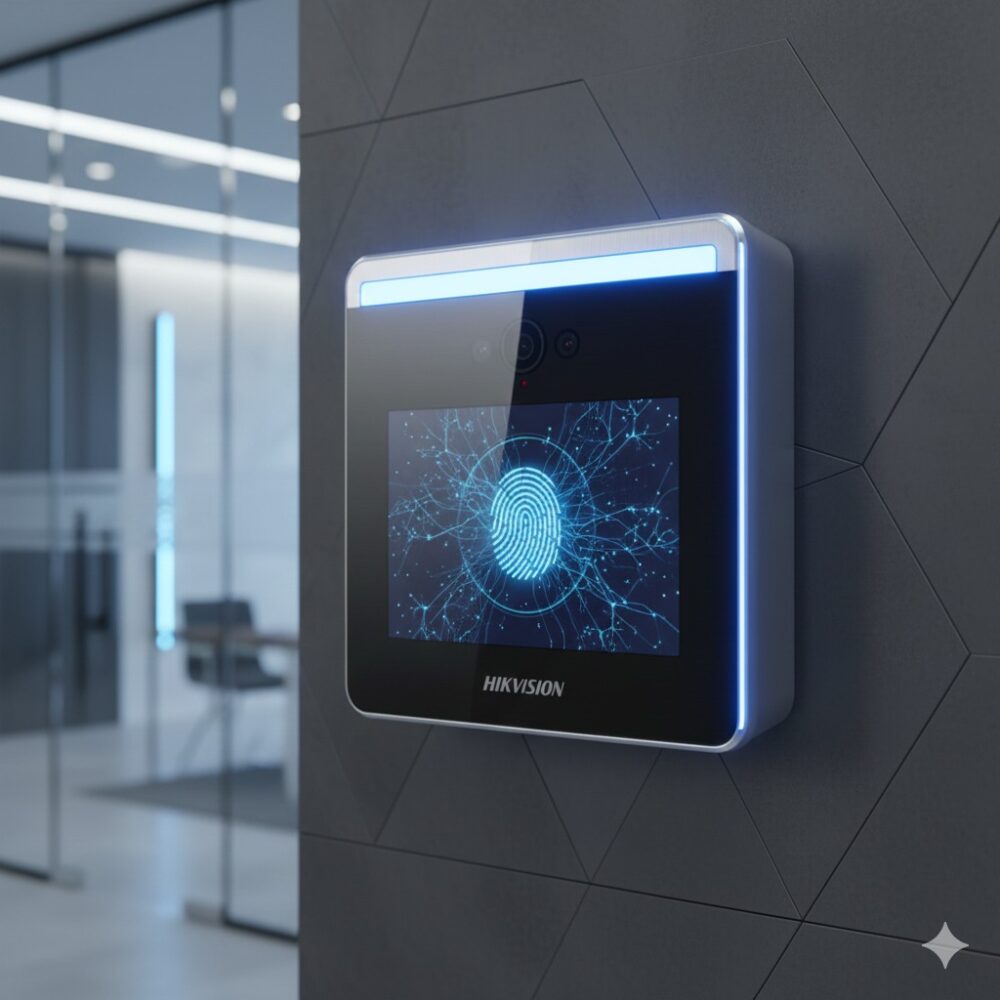
In today’s rapidly evolving digital landscape, biometric access control systems have become an indispensable part of security infrastructure for businesses, institutions, and residential complexes across Malaysia. From safeguarding confidential information to monitoring real-time entry logs, biometric access solutions offer unparalleled reliability, precision, and user convenience. This article delves deeply into the value of biometric access control in Malaysia, why it’s becoming the security standard, and how organizations of all sizes can benefit from deploying these intelligent systems.
For a comprehensive range of advanced biometric access control solutions, visit https://www.smartouch.com.my/door-access-control-system-331/.
What Is Biometric Access Control?
Biometric access control refers to security systems that use unique physical or behavioral attributes—such as fingerprints, facial features, iris patterns, or hand geometry—to verify a person’s identity before granting access to a secured area. Unlike traditional keycards, PINs, or passwords, biometric identifiers are extremely difficult to forge or duplicate, making this technology one of the most secure forms of entry authentication available today.
In Malaysia, biometric access control systems are widely recognized for their high accuracy, ease of use, and integration with broader security and automation ecosystems.
Key Benefits of Biometric Access Control in Malaysia
1. Unmatched Security & Accuracy
Biometric systems provide a high level of security because they rely on individual biological characteristics that cannot be easily copied or shared. Unlike access cards or codes, which can be lost or leaked, biometric identifiers are inherently personal.
This level of precision is particularly important for:
Government facilities
Financial institutions
Healthcare centers
High-tech manufacturing plants
Data centers
These sectors demand the highest level of protection against unauthorized access, making biometric systems the ideal choice.
2. Convenience and User-Friendly Operation
One of the most compelling advantages of biometric access solutions is the user experience. Personnel no longer need to carry cards or remember lengthy passwords. A quick scan of a fingerprint or face is all it takes to gain access.
Benefits include:
Fast authentication
No lost cards or forgotten codes
Zero physical contact (especially with facial recognition, palm readers)
This ease of use translates into reduced administrative workload and enhanced daily productivity.
3. Enhanced Accountability & Audit Trails
Biometric systems automatically generate access logs linked to unique user identities. This creates a robust audit trail that helps organizations monitor activity within sensitive areas.
Typical uses for these logs include:
Compliance reporting
Time and attendance tracking
Incident investigations
Anomaly detection
With accurate timestamps and user identities, businesses can strengthen internal compliance and security policies.
4. Integration With Modern Security Systems
Biometric access control systems in Malaysia are designed with modern connectivity in mind. They can seamlessly integrate with:
CCTV surveillance
Alarm systems
Fire safety systems
Cloud management platforms
Mobile access control apps
This interoperability allows organizations to construct unified security ecosystems that are strong, flexible, and scalable.
Types of Biometric Technologies Used in Access Control
Malaysia’s security market supports a variety of biometric technologies, each suited for different environments and risk levels:
🔹 Fingerprint Recognition
One of the most common and cost-effective biometric methods. Fingerprint systems are highly reliable and ideal for offices, schools, and small businesses.
🔹 Facial Recognition
Offers touchless authentication, making it ideal for high-traffic entrances and hygienic environments like hospitals or food processing facilities.
🔹 Iris Recognition
Extremely accurate due to the unique patterns in the human iris. Best suited for high-security facilities where false acceptance cannot be tolerated.
🔹 Palm Vein Recognition
Uses infrared scans to read vein patterns, making it difficult to counterfeit and suitable for executive zones and sensitive laboratories.
Why Malaysia Is Embracing Biometric Access Control
As Malaysia progresses toward digital transformation, security strategies have also evolved. Several key drivers are prompting Malaysian organizations to adopt biometric access solutions:
📌 Rising Security Concerns
With an increase in data breaches, vandalism, and unauthorized access incidents, businesses are seeking stronger protection. Biometric systems mitigate these risks with advanced identity verification.
📌 Regulatory Compliance
Industries such as finance, healthcare, and data services are bound by strict regulations. Biometric systems help streamline compliance by providing secure and auditable access records.
📌 Smart Building Initiatives
Malaysia’s smart city and smart building trends demand intelligent, integrated access control systems that improve operational efficiency while reducing security vulnerabilities.
📌 Remote Work and Modern Workforce Needs
As hybrid and flexible work arrangements become commonplace, organizations require access systems that are digital-first, cloud-managed, and capable of real-time updates on user privileges.
Deployment Scenarios in Malaysia
Biometric access control solutions are now implemented across a wide range of sectors in Malaysia. Below are some of the most impactful use cases:
🏢 Corporate Offices
From small enterprises to multinational headquarters, offices use biometric access to secure specific floors, meeting rooms, and data centers.
🏨 Hotels & Hospitality
Biometric access minimizes the risk of keycard misuse and improves guest experiences with faster check-in and secure room entry.
🏥 Healthcare Facilities
Biometric systems ensure that only authorized medical professionals can access restricted areas, safeguarding patient data and controlled substances.
🏫 Educational Institutions
Universities and schools deploy biometrics to manage staff and student access, enhance campus safety, and integrate attendance tracking.
🏭 Industrial Sites
Factories and warehouses use rugged biometric readers to control entry to production floors or hazardous zones, ensuring compliance with safety regulations.
How to Choose the Right Biometric Access Control System
Selecting a biometric system requires careful consideration of specific needs:
✅ Security Level Requirements
High-security zones (data centers, R&D labs) may justify multi-factor biometric authentication.
✅ User Volume
Large campuses may benefit from touchless, high-throughput facial recognition terminals.
✅ Integration Needs
Linking to existing security, HR, or attendance systems ensures streamlined operations.
✅ Environmental Conditions
Weatherproof and ruggedized units are necessary for outdoor gates, industrial facilities, or high-moisture environments.
✅ Budget & ROI
While initial investment differs by technology type, biometric systems reduce long-term security costs by eliminating card replacements and reducing unauthorized entry risks.
For detailed product options and professional installation services, explore the biometric access control systems available at https://www.smartouch.com.my/door-access-control-system-331/.
Real Benefits Experienced by Malaysian Businesses
Many organizations in Malaysia have reported measurable improvements after deploying biometric access control:
Reduced unauthorized entry incidents
Streamlined employee attendance tracking
Lowered security management costs
Improved compliance with industry regulations
Enhanced confidence among employees, residents, and visitors
Biometric systems not only secure physical spaces, they also foster strong trust in operational integrity.
The Future of Biometric Access Control in Malaysia
With rapid advancements in artificial intelligence, cloud computing, and mobile connectivity, biometric access control is poised for even broader adoption across Malaysia. Emerging technologies like gait analysis, multi-modal biometric fusion (combining face + fingerprint + voice), and AI-driven anomaly detection are transforming access systems from simple authentication tools into intelligent security platforms.
For organizations that prioritize both security and efficiency, biometric access control is no longer optional — it’s a strategic investment.
Smart Touch Technology Pte Ltd
www.smartouch.com.sg +65-63964767
sales@smartouch.com.sg
www.smartouch.com.my +607-3889903
sales@smartouch.com.my