
Stop Buddy Punching: How Biometric Attendance Saves Money
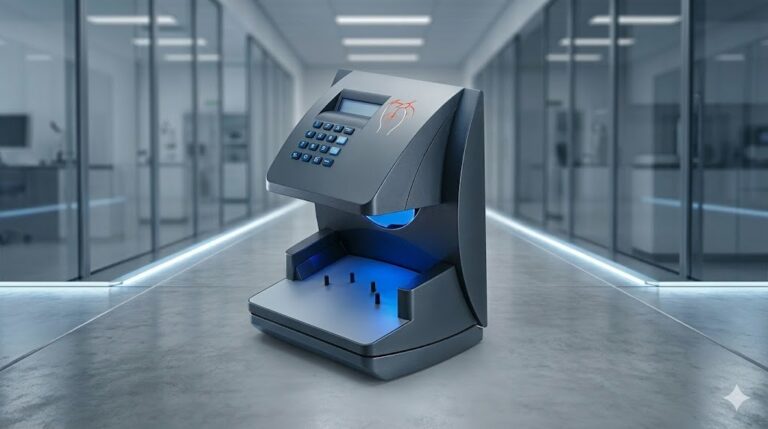
Employee attendance management plays a crucial role in maintaining operational efficiency and controlling labor costs in any organization. However, many companies still rely on outdated attendance systems such as punch cards, manual registers, or shared access cards. These traditional methods create opportunities for time fraud, one of the most common forms being buddy punching.
Buddy punching occurs when one employee clocks in or out on behalf of another employee who is absent or late. Although it may seem like a minor issue, this practice can lead to significant financial losses for businesses over time.
Fortunately, modern technology offers an effective solution. Biometric attendance systems provide a secure and reliable method for tracking employee attendance while eliminating the possibility of buddy punching. By using unique biological identifiers such as fingerprints or facial recognition, biometric systems ensure that only the actual employee can record their attendance.
In this article, we explore how biometric attendance systems help organizations prevent buddy punching and save substantial operational costs.
What is Buddy Punching?
Buddy punching is a form of employee time theft in which one worker records attendance on behalf of another. This usually happens when employees share punch cards, access badges, or login credentials.
For example, an employee who arrives late may ask a colleague to clock in for them at the scheduled start time. Similarly, an employee leaving work early might ask someone else to clock out on their behalf.
Because traditional attendance systems cannot verify the identity of the person punching in, this type of fraud often goes unnoticed.
Over time, buddy punching can result in:
- Paying employees for hours they did not work
- Inaccurate payroll calculations
- Reduced productivity
- Increased labor costs
- Difficulty tracking employee attendance patterns
For companies with large workforces, these small losses can accumulate into thousands of dollars each year.
Why Traditional Attendance Systems Fail
Traditional time tracking methods lack the ability to verify employee identity. Systems that rely on physical cards, PIN codes, or manual signatures are particularly vulnerable to misuse.
Common problems with traditional attendance systems include:
- Employees sharing access cards
- Colleagues entering PIN codes for others
- Manual attendance records that can be altered
- Limited visibility for HR and management
Even when companies attempt to enforce strict attendance policies, these systems still allow loopholes that employees can exploit.
To eliminate these weaknesses, organizations are increasingly adopting biometric attendance technology.
What is a Biometric Attendance System?
A biometric attendance system uses unique biological characteristics to verify an employee’s identity before recording their attendance.
Unlike access cards or passwords, biometric identifiers cannot be easily transferred or duplicated.
Common biometric technologies used in attendance systems include:
- Fingerprint recognition
- Facial recognition
- Iris scanning
- Palm vein recognition
When an employee checks in or out, the system scans their biometric data and compares it with stored templates in the database. Only when a match is confirmed will the attendance be recorded.
This ensures that the person clocking in is physically present at the workplace.
1. Eliminates Buddy Punching Completely
The most significant advantage of biometric attendance systems is their ability to completely eliminate buddy punching.
Because biometric data is unique to each individual, it is impossible for one employee to clock in for another.
For example:
- A fingerprint scanner requires the employee’s actual fingerprint.
- Facial recognition verifies the employee’s real facial features.
- Iris scanning analyzes unique eye patterns.
These characteristics cannot be shared or duplicated, making biometric authentication highly secure.
As a result, businesses gain confidence that attendance records accurately reflect employee working hours.
2. Reduces Payroll Errors and Overpayments
Inaccurate attendance records often lead to payroll mistakes. When buddy punching occurs, employees may be paid for hours they did not actually work.
A biometric attendance system ensures that payroll data is based on verified attendance records.
The system automatically tracks:
- Exact clock-in and clock-out times
- Overtime hours
- Late arrivals
- Early departures
Because the data is collected automatically and verified through biometric authentication, payroll calculations become much more accurate.
This helps companies avoid overpaying employees and significantly reduces labor costs.
3. Improves Workforce Accountability
When employees know that attendance is monitored through biometric verification, they are more likely to follow company policies.
Biometric attendance systems encourage accountability by ensuring that employees are personally responsible for their attendance records.
This leads to:
- Improved punctuality
- Reduced absenteeism
- Greater workplace discipline
- Higher productivity
Employees become more aware that attendance records are accurate and tamper-proof, which discourages time theft and attendance manipulation.
4. Real-Time Attendance Monitoring
Modern biometric attendance systems provide real-time visibility into employee attendance.
Managers and HR departments can instantly access data such as:
- Employees currently present in the workplace
- Late arrivals or early departures
- Attendance trends across departments
- Overtime hours worked
Real-time monitoring allows management to respond quickly to staffing shortages or attendance issues.
For example, if multiple employees are absent unexpectedly, managers can adjust schedules or reassign tasks to maintain productivity.
5. Seamless Integration with Payroll and HR Systems
Biometric attendance systems can integrate with payroll software and human resource management systems.
This integration allows attendance data to automatically flow into payroll calculations, eliminating the need for manual data entry.
Benefits include:
- Faster payroll processing
- Reduced administrative workload
- Improved accuracy in salary calculations
- Simplified HR reporting
Automated data integration saves valuable time for HR teams and reduces the risk of human error.
6. Enhanced Security and Compliance
Beyond attendance tracking, biometric systems also enhance workplace security.
Biometric verification ensures that only authorized employees can access certain areas of a facility.
Additionally, accurate attendance records help organizations comply with labor regulations related to working hours, overtime, and employee compensation.
In industries where compliance and security are critical, biometric attendance systems provide both operational and regulatory advantages.
7. Long-Term Cost Savings
Although implementing a biometric attendance system requires an initial investment, the long-term financial benefits often far outweigh the costs.
Companies can save money through:
- Eliminating time theft and buddy punching
- Reducing payroll inaccuracies
- Minimizing administrative workload
- Improving workforce productivity
- Preventing attendance fraud
For organizations with hundreds or thousands of employees, the cost savings from eliminating buddy punching alone can be substantial.
The Future of Attendance Management
As workplaces continue to adopt digital technologies, biometric attendance systems are becoming the standard for modern workforce management.
Advanced systems now incorporate technologies such as:
- AI-powered facial recognition
- Cloud-based attendance tracking
- Mobile biometric authentication
- Integration with access control systems
These innovations make attendance management more accurate, efficient, and secure than ever before.
Businesses that adopt biometric attendance solutions are better equipped to manage their workforce effectively while controlling operational costs.
Conclusion
Buddy punching may seem like a small issue, but it can lead to significant financial losses and operational inefficiencies for businesses.
Traditional attendance systems lack the ability to verify employee identity, making them vulnerable to time fraud.
Biometric attendance systems solve this problem by using unique biological identifiers to ensure that only the actual employee can record their attendance.
By eliminating buddy punching, improving payroll accuracy, increasing accountability, and providing real-time monitoring, biometric attendance systems help organizations save money while enhancing workforce management.
For companies seeking to reduce labor costs and improve operational transparency, implementing a biometric attendance system is a smart and strategic investment.
More details about the system can be found in this product solution. Click here: https://www.smartouch.com.my/time-and-attendance-malaysia/
Smart Touch technology pte ltd , www.smartouch.com.sg +65-63964767, sales@smartouch.com.sg , www.smartouch.com.my +607-3889903 sales@smartouch.com.my