
Real-Time Accountability: How Guard Patrol Systems Secure Your Site
In today’s security-conscious environment, protecting facilities, assets, and personnel requires more than simply deploying security guards. Organizations also need reliable systems to verify that patrol duties are performed properly.
Without proper monitoring tools, security patrols may become inconsistent or difficult to verify. As a result, important areas may be missed during routine inspections.
Guard Patrol Systems solve this problem. These systems provide digital tracking and real-time monitoring to ensure that security teams complete their patrols correctly.
Today, many commercial buildings, factories, construction sites, and warehouses rely on guard patrol systems to strengthen security operations.
What is a Guard Patrol System?
A Guard Patrol System is a security solution designed to monitor and record the activities of security guards during patrol rounds.
In the past, security patrols were recorded using paper logbooks. Guards manually wrote down the time and location of their patrols. However, these records were difficult to verify.
Modern guard patrol systems replace manual logs with digital technologies.
Common technologies used include:
- RFID checkpoints
- NFC tags
- QR codes
- GPS tracking
- Mobile patrol applications
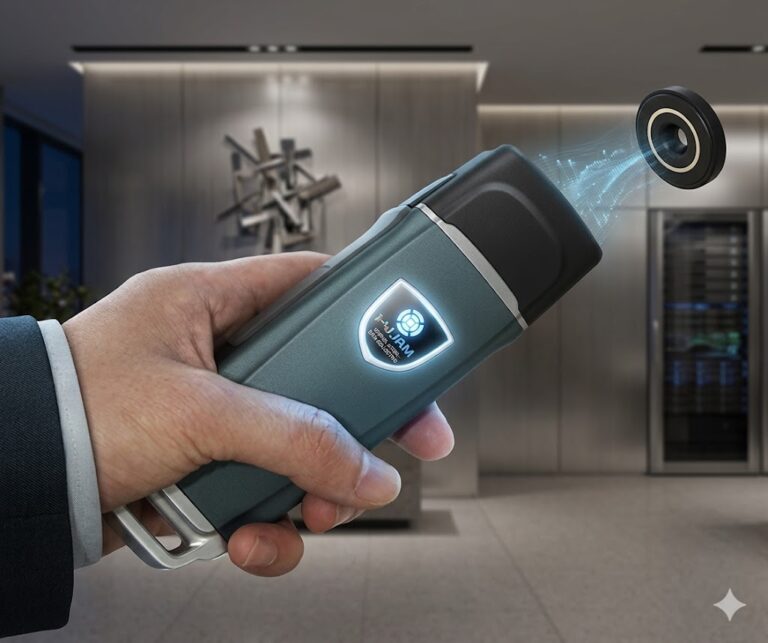
When a guard reaches a checkpoint, they scan the tag using a handheld device or smartphone. The system automatically records the time, location, and guard identity.
This information is then sent to a central monitoring platform.
Why Traditional Patrol Methods Are No Longer Effective
Many organizations still use traditional patrol methods. However, these methods often create several problems.
First, paper logbooks provide limited verification. Supervisors cannot easily confirm whether guards actually visited the checkpoints.
Second, guards may accidentally miss certain patrol points. Without automated monitoring, these mistakes are difficult to detect.
Additionally, manual systems provide limited visibility for supervisors. Security managers may not know whether patrol rounds are completed on time.
Finally, incident reporting becomes slower with paper records. Guards cannot easily report issues while on patrol.
Because of these limitations, many organizations are now adopting digital patrol systems.
How Guard Patrol Systems Work
Guard patrol systems operate through a network of checkpoints placed throughout a facility.
Each checkpoint contains a unique identifier such as an RFID tag or QR code.
During patrol rounds, guards scan these checkpoints using a handheld scanner or mobile application.
The system automatically records important data, including:
- Guard identification
- Checkpoint location
- Date and time of the scan
- Patrol progress
All patrol records are sent to a central platform where supervisors can monitor activities in real time.
This automated process ensures accurate and reliable patrol verification.
Real-Time Accountability for Security Teams
One of the biggest advantages of guard patrol systems is real-time monitoring.
Security managers can track patrol activities through a centralized dashboard. This allows them to verify whether guards are following their assigned patrol routes.
Additionally, the system can send alerts when checkpoints are missed or delayed.
As a result, supervisors can respond immediately to potential issues.
This level of transparency improves both accountability and performance among security personnel.
Improved Incident Reporting
Guard patrol systems also improve incident reporting.
During patrol rounds, guards can report security concerns directly through their mobile devices.
For example, guards may report:
- Suspicious activities
- Safety hazards
- Equipment malfunctions
- Unauthorized access attempts
- Maintenance issues
Many systems allow guards to attach photos and notes to these reports.
Consequently, supervisors receive instant notifications and can respond quickly.
Better Security Coverage Across Facilities
Large facilities often contain multiple zones that require regular monitoring.
Guard patrol systems help ensure that every important area is checked consistently.
Security checkpoints may be installed at locations such as:
- Building entrances and exits
- Parking areas
- Storage rooms
- Equipment rooms
- Restricted zones
- Perimeter fences
By following structured patrol routes, guards can provide complete site coverage.
This reduces security risks and prevents blind spots.
Performance Monitoring and Reporting
Another benefit of guard patrol systems is performance reporting.
These systems generate detailed reports that help managers evaluate security operations.
Reports may include:
- Patrol completion rates
- Missed checkpoints
- Patrol timing analysis
- Guard activity logs
- Incident reports
By analyzing this information, organizations can identify areas for improvement.
Therefore, security managers can make better decisions to strengthen safety procedures.
Integration with Other Security Systems
Modern guard patrol systems can also integrate with other security technologies.
For example, they may connect with:
- CCTV surveillance systems
- Access control systems
- Alarm monitoring systems
- Visitor management systems
This integration creates a unified security platform.
As a result, organizations gain better visibility across all security operations.
Industries That Benefit from Guard Patrol Systems
Many industries rely on guard patrol systems to improve security management.
These include:
Commercial Buildings
Office complexes require regular patrols to monitor entrances and shared spaces.
Manufacturing Facilities
Factories must protect valuable equipment and materials.
Construction Sites
Construction areas require safety monitoring and access control.
Warehouses and Logistics Centers
Storage facilities must secure inventory and monitor entry points.
Educational Institutions
Schools and universities use patrol systems to maintain campus safety.
In these environments, real-time monitoring significantly improves security efficiency.
The Future of Smart Guard Patrol Systems
Security technologies continue to evolve rapidly.
In the future, guard patrol systems may include advanced features such as:
Artificial Intelligence Monitoring
AI may help detect unusual patrol patterns or potential risks.
Cloud-Based Platforms
Cloud systems allow organizations to monitor multiple locations remotely.
IoT Integration
Smart sensors may automatically trigger alerts when suspicious activity occurs.
These innovations will further improve the effectiveness of security patrol operations.
Conclusion
Modern security operations require more than simply assigning guards to patrol a facility. Organizations must also ensure that patrols are completed accurately and consistently.
Guard patrol systems provide an effective solution by combining digital checkpoint verification, automated reporting, and real-time monitoring.
These systems help organizations verify patrol activities, improve incident response, and maintain full security coverage.
As security challenges continue to evolve, guard patrol systems will play an increasingly important role in protecting facilities, assets, and personnel.
More details about the system can be found in this product solution. Click here: http://www.smartouch.com.my/guard-patrol-system/
Smart Touch technology pte ltd , www.smartouch.com.sg +65-63964767, sales@smartouch.com.sg , www.smartouch.com.my +607-3889903 sales@smartouch.com.my