
How Smart Canteen Systems Are Revolutionizing Workplace Dining
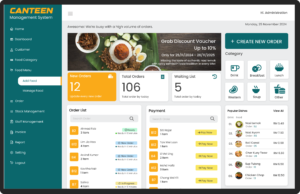
In today’s fast-paced corporate environment, employee productivity, satisfaction, and operational efficiency are more important than ever. One area that has experienced significant technological transformation is workplace dining. Traditional canteens often face challenges such as long queues, inefficient payment processes, food wastage, and limited data insights for management.
To address these challenges, organizations are increasingly adopting Smart Canteen Systems. These intelligent solutions integrate digital technology, automation, and data analytics to modernize workplace dining. By streamlining food ordering, payment, and inventory management, smart canteen systems are transforming how companies manage their food services.
In this article, we explore how smart canteen systems are revolutionizing workplace dining and why businesses are investing in these innovative solutions.
The Evolution of Workplace Canteens
Workplace canteens have long been an essential facility for organizations that want to provide convenient and affordable meals for employees. However, traditional canteen operations often rely on manual processes such as cash payments, paper-based meal tracking, and basic inventory monitoring.
These outdated methods can lead to several issues, including:
- Long waiting times during peak hours
- Cash handling errors and inefficiencies
- Lack of visibility into meal consumption patterns
- Difficulty managing subsidies and meal allowances
- Excess food waste due to poor demand forecasting
As workplaces become more digital and employees expect faster, seamless services, companies are turning to smart canteen technology to modernize their dining facilities.
What Is a Smart Canteen System?
A Smart Canteen System is a digital platform designed to automate and optimize canteen operations using advanced technologies such as cashless payment, facial recognition, mobile ordering, and real-time analytics.
These systems connect employees, kitchen staff, and administrators through a centralized platform that manages every aspect of the dining experience.
Key components of a smart canteen system may include:
- Self-service ordering kiosks
- Mobile app meal ordering
- Cashless payment integration
- RFID or facial recognition identification
- Automated meal subsidy management
- Real-time sales and consumption analytics
- Inventory and kitchen management tools
By integrating these technologies, smart canteen systems create a faster, more convenient, and more efficient dining environment for both employees and employers.
1. Faster and Contactless Food Ordering
One of the most noticeable benefits of a smart canteen system is the ability to eliminate long queues and waiting times.
Employees can place their meal orders through mobile apps, self-service kiosks, or digital touchscreens before arriving at the canteen. Once the order is submitted, the kitchen staff can begin preparing the meal immediately.
This system allows employees to:
- Pre-order meals in advance
- Select meal preferences quickly
- Avoid long lines during lunch hours
- Receive notifications when their food is ready
The result is a smoother and faster dining experience that helps employees make better use of their break time.
Contactless ordering also improves hygiene and safety, which has become a critical consideration in modern workplace environments.
2. Cashless and Seamless Payment Experience
Handling cash transactions in a busy workplace canteen can slow down service and increase administrative complexity. Smart canteen systems replace traditional payment methods with secure cashless transactions.
Employees can pay for meals using:
- Employee ID cards
- Mobile wallets
- QR codes
- Facial recognition authentication
- Payroll deductions or meal credits
This automated payment process reduces waiting time at checkout counters while minimizing the risk of human error in cash handling.
For employers, cashless systems simplify accounting and financial reporting by automatically recording all transactions in the system.
3. Efficient Meal Subsidy and Allowance Management
Many organizations provide meal subsidies or allowances to employees as part of their benefits package. However, managing these subsidies manually can be time-consuming and prone to errors.
A smart canteen system automates subsidy management by assigning digital meal credits to employee accounts.
Companies can easily configure rules such as:
- Daily or monthly meal allowances
- Subsidies for specific meal types
- Discounts for employees
- Different subsidy levels for departments or shifts
The system automatically applies the correct subsidy during the payment process, ensuring fairness and accuracy.
This automation reduces administrative workload for HR and finance teams while providing employees with a transparent and convenient dining experience.
4. Real-Time Data and Food Demand Insights
One of the most powerful features of smart canteen systems is the ability to generate detailed data insights.
Traditional canteens often lack accurate data on which meals are popular, when peak dining times occur, and how much food is consumed daily. Smart canteen systems collect and analyze this information in real time.
Management can access reports such as:
- Daily meal consumption trends
- Most popular menu items
- Peak dining hours
- Food sales performance
- Employee dining preferences
With this data, canteen operators can make smarter decisions about menu planning, food preparation, and staffing levels.
This data-driven approach helps improve operational efficiency and enhance the overall dining experience.
5. Reduce Food Waste and Improve Sustainability
Food waste is a major issue in many workplace dining facilities. When kitchens prepare too much food, excess meals often end up being discarded.
Smart canteen systems help reduce food waste through better demand forecasting and meal pre-ordering.
Because employees can pre-select their meals in advance, kitchens can prepare food based on actual demand rather than rough estimates.
This approach offers several benefits:
- Reduced food wastage
- Lower operational costs
- More sustainable food management
- Better inventory control
Organizations that implement smart dining systems often see significant improvements in sustainability and cost efficiency.
6. Enhanced Employee Experience and Satisfaction
Providing a modern and convenient dining environment contributes significantly to employee satisfaction.
A smart canteen system improves the overall employee experience by offering:
- Faster meal service
- Personalized meal choices
- Convenient payment options
- Reduced waiting times
- Improved food availability
When employees can enjoy a smooth and hassle-free dining experience, it enhances workplace morale and productivity.
Companies that invest in employee well-being through better facilities often benefit from higher retention rates and stronger workplace culture.
The Future of Workplace Dining
The transformation of workplace dining is only beginning. As technologies such as artificial intelligence, facial recognition, and IoT continue to evolve, smart canteen systems will become even more advanced.
Future developments may include:
- AI-powered meal recommendations
- Automated food preparation systems
- Smart inventory tracking
- Health-focused meal analytics
- Fully integrated workplace ecosystems
These innovations will further enhance efficiency, personalization, and sustainability in workplace dining.
Organizations that embrace smart canteen technology today are positioning themselves for the future of digital workplace services.
Conclusion
Smart canteen systems are transforming traditional workplace dining into a more efficient, convenient, and data-driven experience. By integrating digital ordering, cashless payments, automated subsidy management, and real-time analytics, businesses can significantly improve canteen operations.
These systems not only streamline food service but also enhance employee satisfaction, reduce operational costs, and support sustainability initiatives.
As companies continue to invest in workplace innovation, smart canteen solutions are becoming an essential part of modern corporate infrastructure.
Organizations looking to modernize their dining facilities and improve employee experience should consider implementing a smart canteen system as part of their digital transformation strategy.
More details about the system can be found in this product solution. Click here: http://www.smartouch.com.my/canteen-management-system-2/
Smart Touch technology pte ltd , www.smartouch.com.sg +65-63964767, sales@smartouch.com.sg , www.smartouch.com.my +607-3889903 sales@smartouch.com.my