
How Smart Canteen Technology is Cutting Wait Times and Waste
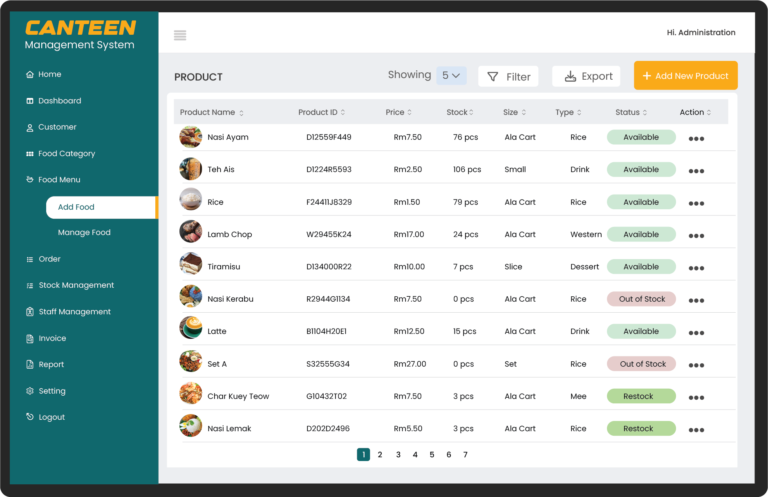
Workplace dining has evolved significantly in recent years. As organizations focus more on employee well-being, operational efficiency, and sustainability, traditional canteen systems are no longer sufficient to meet modern expectations. Long queues during lunch hours, inefficient payment processes, and excessive food waste are common challenges faced by many corporate and institutional dining facilities.
To address these issues, businesses are increasingly adopting Smart Canteen Technology. By integrating digital ordering, cashless payments, and real-time data analytics, smart canteen systems transform how food services operate in workplaces, factories, schools, and large organizations.
Smart canteen technology not only improves the dining experience for employees but also helps organizations reduce operational inefficiencies and minimize food waste. In this article, we explore how smart canteen solutions are cutting wait times and reducing waste while creating a more efficient dining environment.
The Challenges of Traditional Canteen Operations
Traditional canteen systems often rely on manual processes for ordering, payment, and food preparation. These outdated methods can lead to several operational problems.
Common issues include:
- Long queues during peak lunch hours
- Cash handling delays at payment counters
- Difficulty forecasting meal demand
- Excess food preparation and waste
- Limited visibility into food consumption trends
These inefficiencies not only affect employee satisfaction but also increase operational costs for organizations.
Smart canteen technology addresses these challenges through automation and digital integration.
What is Smart Canteen Technology?
Smart canteen technology refers to a digital system that automates and optimizes canteen operations using advanced tools such as mobile ordering, self-service kiosks, RFID cards, facial recognition, and real-time analytics.
These systems connect employees, kitchen staff, and administrators through a centralized platform that manages the entire food service process.
Key components of a smart canteen system may include:
- Self-service ordering kiosks
- Mobile meal pre-ordering
- Cashless payment systems
- Employee ID or biometric identification
- Automated meal subsidy management
- Real-time kitchen and inventory monitoring
By integrating these technologies, smart canteens improve service speed, reduce administrative workload, and provide valuable operational insights.
1. Mobile Pre-Ordering Reduces Waiting Time
One of the biggest causes of long queues in workplace canteens is the time employees spend ordering meals at the counter.
Smart canteen systems allow employees to pre-order their meals through mobile apps or online platforms before arriving at the canteen.
Employees can:
- Browse the daily menu
- Select meals in advance
- Choose pickup times
- Complete payment digitally
Once employees arrive at the canteen, their meals are already prepared or ready for quick pickup.
This drastically reduces waiting time and helps employees make better use of their lunch breaks.
2. Self-Service Kiosks Improve Service Efficiency
Self-service kiosks are another powerful feature of smart canteen technology.
Instead of waiting for a cashier, employees can place their orders directly through digital kiosks located inside the dining area.
These kiosks provide a user-friendly interface that allows employees to:
- Browse menu options
- Customize their meals
- Make payments using digital methods
Because multiple kiosks can operate simultaneously, ordering becomes much faster compared to traditional single-counter systems.
This significantly reduces congestion during peak dining hours.
3. Cashless Payments Speed Up Transactions
Handling cash transactions can slow down canteen operations and create additional administrative work for staff.
Smart canteen systems introduce cashless payment options that streamline the payment process.
Employees can pay using:
- Employee ID cards
- Mobile wallets
- QR code payments
- Payroll deduction systems
- Facial recognition authentication
Cashless transactions are faster, more secure, and easier to track than traditional payment methods.
For administrators, digital payments simplify financial management and improve transaction transparency.
4. Data-Driven Demand Forecasting
One of the major causes of food waste in traditional canteens is inaccurate meal preparation.
Without proper data insights, kitchens often prepare food based on rough estimates rather than actual demand.
Smart canteen technology collects real-time data on meal preferences, ordering patterns, and consumption trends.
Using this information, kitchen staff can:
- Predict meal demand more accurately
- Adjust ingredient purchases
- Prepare food in the correct quantities
Better demand forecasting significantly reduces excess food preparation and minimizes waste.
5. Meal Pre-Booking Reduces Food Waste
Meal pre-booking is another effective feature that helps reduce food waste.
When employees select their meals in advance through mobile apps or kiosks, the kitchen receives accurate order information before food preparation begins.
This allows kitchen staff to prepare meals based on confirmed orders rather than assumptions.
As a result:
- Less food is prepared unnecessarily
- Ingredient usage becomes more efficient
- Food disposal is minimized
This approach supports both cost savings and environmental sustainability.
6. Smart Inventory Management
Managing food inventory efficiently is essential for reducing waste and controlling costs.
Smart canteen systems often integrate with inventory management tools that monitor ingredient usage and stock levels in real time.
These systems can:
- Track ingredient consumption
- Alert staff when inventory levels are low
- Prevent over-purchasing of perishable items
- Improve supplier planning
Better inventory control helps kitchens maintain optimal stock levels while minimizing spoilage and waste.
7. Faster Service Improves Employee Satisfaction
Employee satisfaction is closely linked to workplace facilities, including dining services.
Long waiting times, limited menu choices, and slow payment processes can negatively impact the employee experience.
Smart canteen technology improves the overall dining experience by offering:
- Faster meal service
- Convenient ordering methods
- Flexible payment options
- Personalized meal recommendations
When employees can enjoy quick and hassle-free meals, they return to work more relaxed and productive.
8. Supporting Sustainability and Green Initiatives
Reducing food waste is an important part of corporate sustainability initiatives.
Smart canteen systems support environmental goals by enabling better resource management and reducing unnecessary food production.
Organizations can benefit from:
- Lower food disposal costs
- Reduced environmental impact
- Improved sustainability reporting
- Enhanced corporate social responsibility initiatives
By implementing smart dining solutions, businesses contribute to more sustainable workplace operations.
The Future of Smart Workplace Dining
As digital technology continues to evolve, smart canteen systems will become even more advanced.
Future developments may include:
- AI-powered menu recommendations
- Automated food preparation systems
- Nutrition tracking for employees
- Integrated health and wellness programs
These innovations will further enhance workplace dining experiences while improving operational efficiency and sustainability.
Conclusion
Traditional canteen operations often struggle with long waiting times, inefficient payment processes, and high levels of food waste. Smart canteen technology provides a modern solution by integrating digital ordering, cashless payments, real-time analytics, and automated inventory management.
By enabling faster service and better demand forecasting, smart canteen systems significantly reduce wait times and minimize food waste. At the same time, they enhance the overall dining experience for employees and improve operational efficiency for organizations.
For companies seeking to modernize workplace facilities and promote sustainable practices, adopting smart canteen technology is a powerful step toward building a smarter and more efficient workplace environment.
More details about the system can be found in this product solution. Click here: https://www.smartouch.com.my/canteen-management-system-2/
Smart Touch technology pte ltd , www.smartouch.com.sg +65-63964767, sales@smartouch.com.sg , www.smartouch.com.my +607-3889903 sales@smartouch.com.my