
The Ultimate Guide to Modern Office Access Control Systems
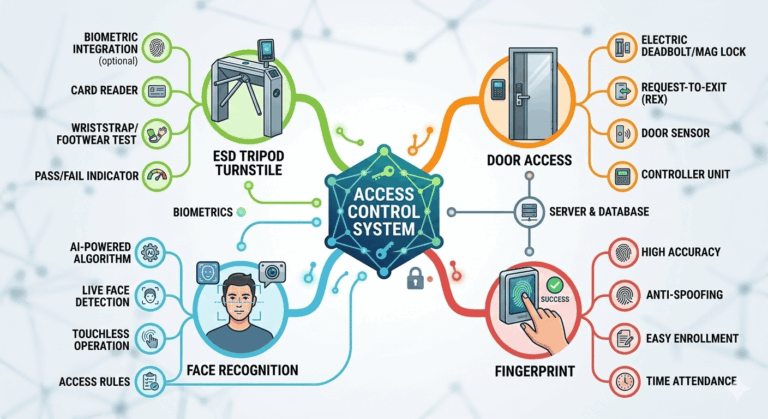
In today’s dynamic corporate landscape, office security is no longer limited to locking doors at the end of the day. Modern workplaces operate in hybrid environments, manage sensitive data, host frequent visitors, and require real-time monitoring of employee access. Traditional lock-and-key systems simply cannot keep up with these demands.
A modern office access control system provides intelligent, scalable, and secure entry management tailored to the needs of contemporary businesses. From biometric authentication to cloud-based monitoring, today’s solutions integrate seamlessly with broader workplace technology ecosystems.
This ultimate guide explores everything you need to know about modern office access control systems — how they work, their types, key features, benefits, integration capabilities, and how to choose the right solution for your organization.
What Is a Modern Office Access Control System?
An office access control system is a security solution that regulates who can enter specific areas within a building. Instead of using traditional keys, employees and authorized visitors authenticate using digital credentials.
These credentials may include:
- RFID or proximity cards
- Biometric fingerprint scanning
- Facial recognition
- Mobile app credentials
- PIN codes
- QR codes
The system verifies credentials in real time and grants or denies access based on pre-configured permissions.
Why Modern Offices Need Advanced Access Control
As businesses grow and evolve, security challenges become more complex. Modern offices face risks such as:
- Unauthorized entry
- Tailgating
- Insider threats
- Data breaches
- Lost or duplicated keys
- Inaccurate visitor tracking
Advanced access control systems address these risks by combining physical security with digital authentication and centralized management.
Types of Modern Office Access Control Systems
1. Card-Based Access Control
Employees use RFID or proximity cards to unlock doors. While convenient, cards can be lost or shared.
2. Biometric Access Control
Uses unique biological traits such as fingerprints or facial recognition. Biometric systems provide higher security and prevent credential sharing.
3. Mobile Access Control
Smartphone-based credentials allow users to unlock doors via mobile apps or Bluetooth technology.
4. Cloud-Based Access Control
Cloud systems enable remote management of access permissions across multiple office locations.
5. Multi-Factor Authentication
Combines two or more authentication methods (e.g., card + fingerprint) for enhanced security.
Key Features of Modern Office Access Control Systems
Real-Time Monitoring
Administrators can track who enters and exits the building in real time.
Role-Based Access Permissions
Access levels can be customized based on job roles, departments, or time schedules.
Integration with Attendance Systems
Entry logs can automatically record employee attendance and sync with payroll systems.
Visitor Management Integration
Visitor check-in systems can grant temporary access permissions.
Audit Trails and Reporting
Detailed logs support compliance and security audits.
Remote Access Management
Managers can modify permissions or lock down areas instantly from any location.
Emergency Lockdown Capability
In case of security threats, the system can restrict access immediately.
Benefits of Implementing a Modern Office Access Control System
Enhanced Workplace Security
Prevents unauthorized access and protects sensitive areas.
Increased Operational Efficiency
Automates access management and reduces manual oversight.
Reduced Administrative Costs
Eliminates key duplication and card replacement expenses.
Improved Employee Accountability
Accurate tracking of entry and exit times ensures transparency.
Scalable for Business Growth
Easily expandable to accommodate new employees or additional office branches.
Integration with Smart Office Ecosystems
Modern access control systems integrate seamlessly with:
- CCTV surveillance systems
- Alarm systems
- Visitor management platforms
- HR and payroll software
- Smart building management systems
- Guard patrol tracking systems
This creates a fully connected and intelligent security infrastructure.
Choosing the Right Access Control System for Your Office
When selecting an office access control system, consider:
Office Size and Layout
Determine the number of entry points and restricted areas.
Security Level Requirements
High-security environments may require biometric or multi-factor authentication.
Scalability Needs
Ensure the system can grow with your organization.
Cloud vs On-Premise Deployment
Choose cloud-based solutions for flexibility or on-premise systems for internal control.
Integration Capabilities
Ensure compatibility with existing security and HR systems.
User Experience
The system should be easy to use for employees and administrators.
Supporting Hybrid and Flexible Work Environments
Modern workplaces increasingly adopt hybrid models. Access control systems can support:
- Flexible work schedules
- Temporary access permissions
- Remote access management
- Visitor pre-registration
- Multi-location access privileges
This flexibility enhances productivity while maintaining security.
Data Security and Compliance
Access control systems must protect sensitive employee and organizational data. Modern systems ensure:
- Encrypted credential storage
- Secure cloud hosting
- Role-based administrative access
- Compliance with data protection regulations
- Audit-ready reporting
Security extends beyond physical doors to digital infrastructure.
Future Trends in Office Access Control
The future of office access control includes:
- AI-powered facial recognition
- Contactless authentication
- Mobile-first credential systems
- Real-time occupancy analytics
- Cloud-based multi-site monitoring
- Integration with IoT devices
Organizations adopting these technologies today are building future-ready workplaces.
Why Modern Access Control Is a Strategic Investment
Security is not just about preventing threats—it is about enabling business continuity, protecting assets, and fostering employee confidence. A modern office access control system provides:
- Stronger perimeter protection
- Seamless user experience
- Data-driven security insights
- Operational automation
- Long-term cost efficiency
Investing in advanced access control strengthens both security and productivity.
Conclusion
Modern office access control systems are transforming how organizations manage security and workplace operations. By replacing outdated key systems with intelligent, integrated, and scalable solutions, businesses gain greater control, transparency, and efficiency.
From biometric authentication to cloud-based monitoring and smart ecosystem integration, modern access control systems represent the future of secure office management.
If your organization aims to protect assets, streamline operations, and support digital transformation, implementing a modern office access control system is not just an upgrade—it is a strategic necessity.
Secure your workplace today with a reliable, intelligent, and future-ready access control solution.
More details about the system can be found in this product solution. Click here: https://www.smartouch.com.my/category/access-control-system-2/
Smart Touch technology pte ltd , www.smartouch.com.sg +65-63964767, sales@smartouch.com.sg , www.smartouch.com.my +607-3889903 sales@smartouch.com.my