
Face Recognition vs Fingerprint: Which Better?
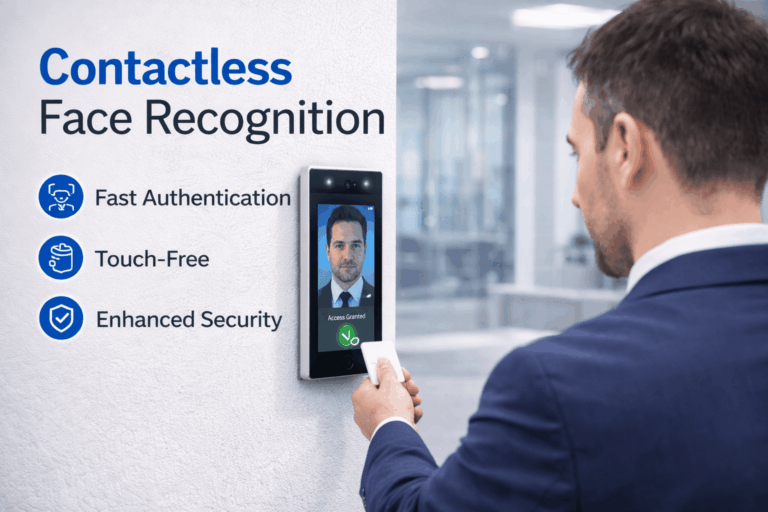
The Evolution of Biometric Security in Malaysia
As Malaysia accelerates toward digital transformation and smart infrastructure, biometric authentication technologies are rapidly becoming the backbone of modern security systems. From corporate offices and residential buildings to construction sites and government facilities, businesses are increasingly adopting face recognition and fingerprint systems to enhance access control and workforce management.
But a critical question remains: which biometric solution is better—face recognition or fingerprint?
Our in-depth comparison explores the strengths, limitations, and real-world applications of both technologies to help Malaysian businesses make the right choice.
Understanding the Two Technologies
What Is Face Recognition?
Face recognition technology uses advanced algorithms and artificial intelligence to identify individuals based on facial features. It captures an image, analyzes unique facial patterns, and matches them against a stored database.
This technology is widely used in:
- Smart office access systems
- Residential security
- Airports and transportation hubs
- Contactless attendance systems
What Is Fingerprint Recognition?
Fingerprint systems rely on scanning the unique patterns of ridges and valleys on a person’s finger. These patterns are converted into digital templates and used for identity verification.
Fingerprint technology has long been a trusted solution for:
- Employee attendance tracking
- Office access control
- Time and attendance systems
- Secure entry points
Key Comparison: Face Recognition vs Fingerprint
1. Speed and Convenience
Face recognition is significantly faster and more convenient. Users simply walk past the device, and authentication happens almost instantly—without physical contact.
Fingerprint systems, while accurate, require users to stop and place their finger on a scanner, which can slow down entry during peak hours.
Verdict: Face recognition wins in speed and user experience.
2. Hygiene and Contactless Operation
In a post-pandemic world, hygiene has become a top priority. Face recognition offers a completely contactless solution, reducing the risk of germ transmission.
Fingerprint systems require physical touch, which may raise hygiene concerns, especially in high-traffic environments.
Verdict: Face recognition is the preferred choice for hygiene-sensitive environments.
3. Accuracy and Reliability
Both technologies are highly accurate, but their performance depends on environmental conditions.
- Face recognition may be affected by poor lighting, masks, or facial changes.
- Fingerprint systems may struggle with dirty, wet, or worn-out fingers—common in construction and industrial settings.
In Malaysia’s humid and sometimes harsh working conditions, both systems must be carefully selected based on the environment.
Verdict: Tie—depends on usage conditions.
4. Security Level
Both systems offer strong security, but face recognition systems often incorporate advanced AI features such as:
- Anti-spoofing detection
- 3D facial mapping
- Liveness detection
Fingerprint systems are also secure but can be vulnerable to physical wear or improper scans.
Verdict: Face recognition has a slight edge with advanced AI capabilities.
5. Environmental Suitability
Malaysia’s climate plays a significant role in system performance.
- Face recognition performs well in offices, lobbies, and controlled environments.
- Fingerprint systems may face challenges in dusty, wet, or outdoor construction sites.
However, rugged fingerprint devices are available for industrial use.
Verdict: Depends on environment—face recognition for clean indoor spaces, fingerprint for controlled industrial setups.
6. Cost and Implementation
Fingerprint systems are generally more affordable and easier to implement, making them popular among SMEs in Malaysia.
Face recognition systems, while more advanced, come with higher initial costs due to AI technology and hardware requirements.
Verdict: Fingerprint is more cost-effective.
Use Cases in Malaysia
Corporate Offices
Face recognition is increasingly preferred for modern offices due to its sleek, contactless experience and fast processing speed.
Construction Sites
Fingerprint systems remain common due to their durability and ability to function in rugged environments, although face recognition is gaining traction with improved hardware.
Residential Buildings
Luxury condominiums and serviced apartments favor face recognition for its convenience and premium feel.
Government and High-Security Areas
Both systems are used, often in combination, to provide multi-factor authentication for enhanced security.
Advantages of Face Recognition
- Contactless and hygienic
- Fast and seamless user experience
- Advanced AI security features
- Modern and premium appearance
- Ideal for high-traffic environments
Advantages of Fingerprint Systems
- Cost-effective solution
- Proven and reliable technology
- Suitable for basic access control
- Works well in controlled environments
- Lower implementation complexity
Can You Use Both Together?
Yes—many Malaysian organizations are adopting multi-modal biometric systems that combine face recognition and fingerprint authentication.
This approach offers:
- Higher security through dual verification
- Flexibility for different user preferences
- Improved reliability in varying conditions
For example, an office may use face recognition for daily access while retaining fingerprint as a backup.
The Future of Biometric Access in Malaysia
Biometric technology in Malaysia is evolving rapidly. With advancements in AI, cloud computing, and IoT, future systems will become more intelligent, scalable, and user-friendly.
Trends to watch include:
- Touchless smart building integration
- Mobile-based biometric authentication
- Cloud-managed access control systems
- AI-driven security analytics
Face recognition is expected to lead this transformation, but fingerprint systems will continue to play a vital role in specific industries.
Which Should You Choose?
The choice between face recognition and fingerprint systems ultimately depends on your specific needs:
- Choose face recognition for speed, hygiene, and modern user experience
- Choose fingerprint for cost efficiency and proven reliability
- Choose both for maximum security and flexibility
In Malaysia’s diverse business landscape, there is no one-size-fits-all solution. The best approach is to align your biometric system with your operational environment, security requirements, and budget.
Conclusion: Smart Decisions for Smarter Security
Face recognition and fingerprint technologies each offer unique advantages, and both are shaping the future of access control in Malaysia. By understanding their differences and applications, businesses can make informed decisions that enhance security, efficiency, and user experience.
As organizations continue to modernize, investing in the right biometric solution is not just about security—it is about creating a smarter, safer, and more connected environment for everyone.
More details about the system can be found in this product solution. Click here: https://www.smartouch.com.my/face-recognition-system-2/
Smart Touch technology pte ltd , www.smartouch.com.sg +65-63964767, sales@smartouch.com.sg , www.smartouch.com.my +607-3889903 sales@smartouch.com.my