
What to Look for in a Modern Alarm Security System
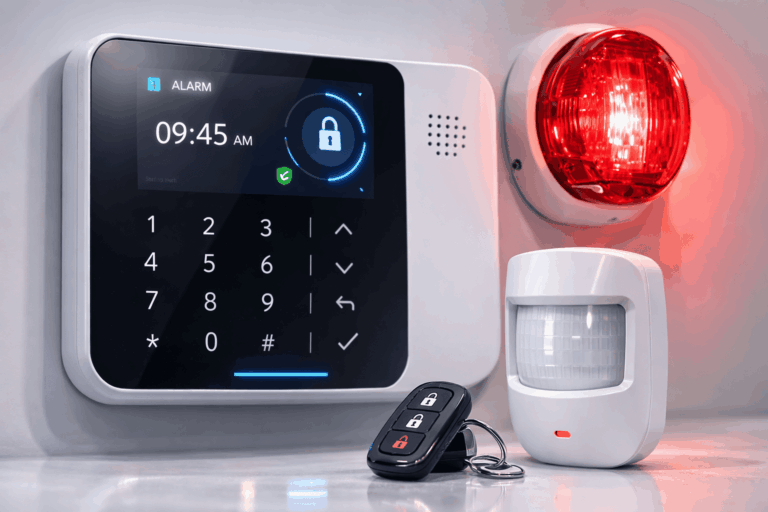
Security has become a top priority for businesses, offices, warehouses, and even residential properties. With increasing concerns about theft, unauthorized access, and property damage, organizations must ensure that their facilities are properly protected at all times. While traditional alarm systems were once sufficient, modern security threats now require more advanced and intelligent solutions.
A modern alarm security system is no longer just a simple siren that activates when a door is forced open. Today’s alarm systems integrate with digital technologies, smart sensors, remote monitoring platforms, and other security infrastructure to provide comprehensive protection.
Choosing the right alarm system can significantly improve the safety of your workplace and assets. In this article, we explore the key features and capabilities to look for when selecting a modern alarm security system.
Why Modern Alarm Systems Are Essential
Businesses face various security risks such as burglary, vandalism, unauthorized entry, and internal security breaches. Without a reliable alarm system, these threats may go undetected until significant damage has already occurred.
Modern alarm security systems provide real-time monitoring and immediate alerts when suspicious activity is detected. This allows security personnel or property owners to respond quickly and prevent potential losses.
In addition to security protection, alarm systems also contribute to improved safety and operational monitoring within the workplace.
1. Advanced Intrusion Detection Sensors
The effectiveness of any alarm system depends largely on the sensors used to detect suspicious activity.
Modern alarm systems use a variety of advanced sensors to monitor different types of threats.
Common sensors include:
- Door and window contact sensors to detect unauthorized entry
- Motion detectors that identify movement in restricted areas
- Glass break sensors that detect shattered windows
- Vibration sensors for forced entry attempts
These sensors work together to monitor the entire property and trigger alerts when unusual activity occurs.
Advanced sensors also reduce false alarms by distinguishing between normal movements and genuine security threats.
2. Real-Time Alerts and Notifications
One of the most important features of a modern alarm security system is the ability to provide instant alerts.
When an alarm is triggered, the system can immediately notify property owners or security teams through:
- Mobile app notifications
- SMS alerts
- Email notifications
- Central monitoring station alerts
Real-time notifications allow responsible personnel to take immediate action, whether that means contacting security staff, checking surveillance footage, or notifying authorities.
3. Remote Monitoring and Mobile Access
Modern alarm systems offer remote access capabilities that allow users to monitor their property from anywhere.
Through secure mobile applications or web dashboards, users can:
- Arm or disarm the alarm system remotely
- Check system status in real time
- Receive instant alerts
- View integrated CCTV footage
Remote monitoring provides peace of mind for business owners who manage multiple locations or travel frequently.
It ensures that security systems remain under control even when the user is not physically present.
4. Integration with CCTV and Surveillance Systems
A modern alarm security system should be able to integrate with CCTV surveillance systems.
When an alarm is triggered, the system can automatically activate nearby cameras and record the incident.
This integration provides several benefits:
- Immediate visual verification of alarms
- Better investigation of security incidents
- Faster response to potential threats
By combining alarm systems with surveillance cameras, businesses create a more comprehensive security infrastructure.
5. Smart Automation and System Integration
Modern security systems are increasingly integrated with other building management technologies.
A smart alarm system can interact with various security components such as:
- Access control systems
- Lighting systems
- Smart locks
- Building automation platforms
For example, when an alarm is triggered, the system can automatically:
- Lock certain doors
- Activate emergency lighting
- Notify security personnel
This automation enhances the overall effectiveness of the security system.
6. Tamper Protection and System Reliability
A reliable alarm system must be designed to prevent tampering or unauthorized disabling.
Modern systems include tamper detection features that trigger alerts if someone attempts to interfere with sensors or control panels.
Additional reliability features may include:
- Backup batteries in case of power failure
- Secure communication channels
- Redundant monitoring systems
These safeguards ensure that the alarm system remains operational even during emergencies.
7. User-Friendly Control Interface
Security systems should be easy to operate for both administrators and employees.
Modern alarm systems provide intuitive interfaces through:
- Touchscreen control panels
- Mobile applications
- Web-based dashboards
Users can easily manage security settings, monitor system status, and review alerts without requiring extensive technical knowledge.
A user-friendly interface ensures that the system is used effectively and reduces the risk of operational errors.
8. Scalable and Expandable System Design
As businesses grow, their security needs often expand as well.
A modern alarm system should be scalable, allowing organizations to add additional sensors, cameras, or monitoring zones when needed.
For example, businesses may want to expand the system to include:
- Additional office floors
- Warehouses or storage areas
- Parking facilities
- Multiple building locations
Scalable systems ensure that businesses can upgrade their security infrastructure without replacing the entire system.
9. Data Logging and Security Reports
Modern alarm systems maintain detailed records of all security events.
These logs provide valuable insights into security activities such as:
- Alarm triggers
- System arming and disarming
- Sensor activity
- Access attempts
Security reports allow administrators to analyze patterns, identify vulnerabilities, and improve security procedures.
The Role of Alarm Systems in Modern Security Strategies
Alarm systems are an essential component of a comprehensive security strategy.
When combined with other technologies such as CCTV surveillance, access control systems, and visitor management platforms, alarm systems help create a layered security approach.
This integrated security infrastructure provides stronger protection against potential threats while improving overall facility management.
Conclusion
Selecting the right alarm security system is a critical decision for businesses seeking to protect their assets, employees, and facilities.
Modern alarm systems offer far more than basic intrusion detection. With advanced sensors, real-time alerts, remote monitoring, and smart system integration, today’s alarm technologies provide comprehensive protection for modern workplaces.
By investing in a reliable and intelligent alarm security system, organizations can strengthen their security infrastructure and ensure a safer environment for everyone within their facilities.
For businesses aiming to stay ahead of evolving security challenges, implementing a modern alarm system is an essential step toward protecting valuable assets and maintaining operational security.
More details about the system can be found in this product solution. Click here: https://www.smartouch.com.my/alarm-system/
Smart Touch technology pte ltd , www.smartouch.com.sg +65-63964767, sales@smartouch.com.sg , www.smartouch.com.my +607-3889903 sales@smartouch.com.my